 Farhan Ishrak
Two things move a website:
what it says, and how fast it says it.
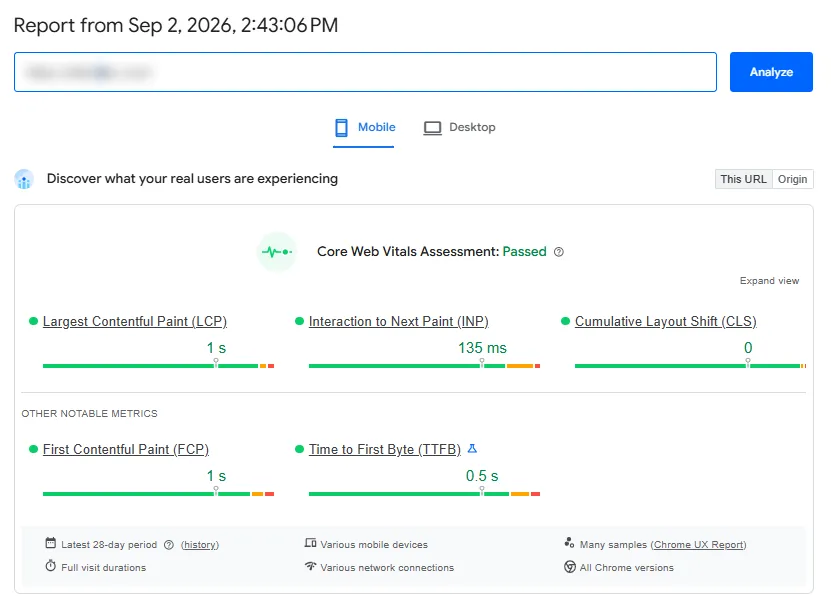
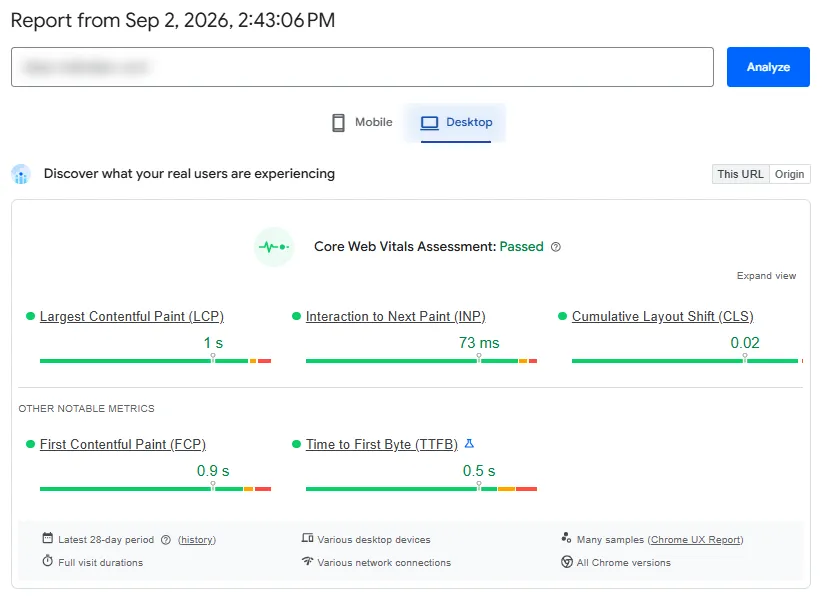
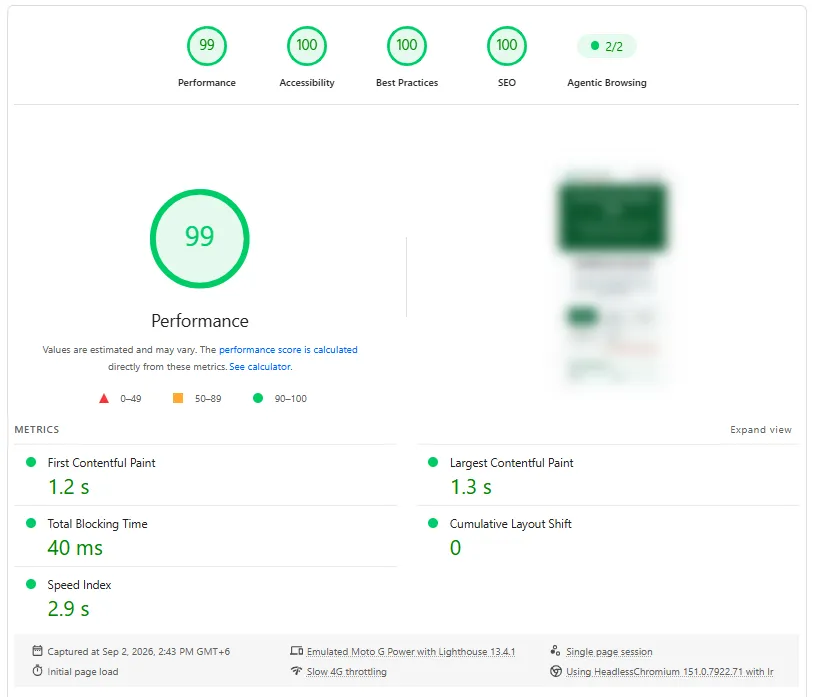
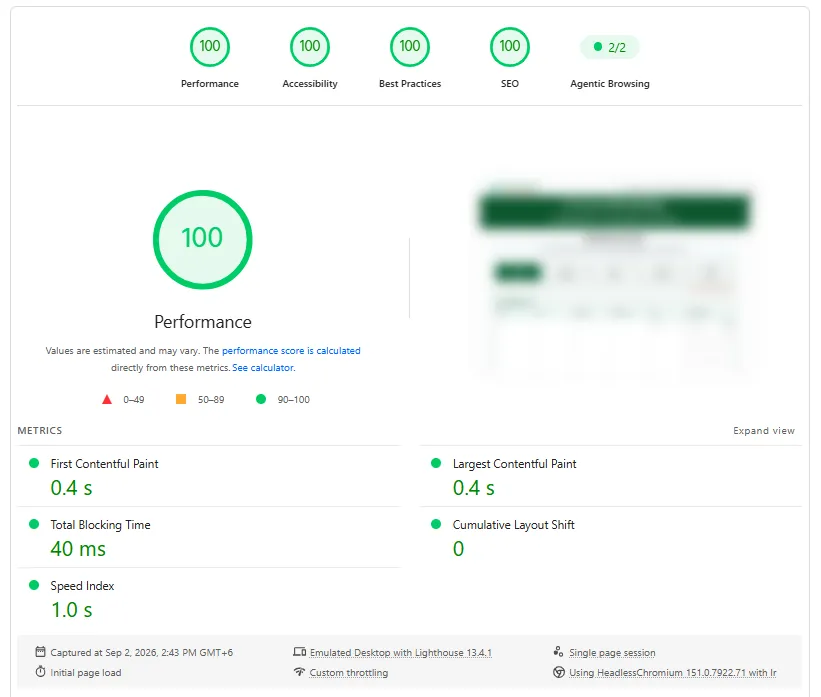
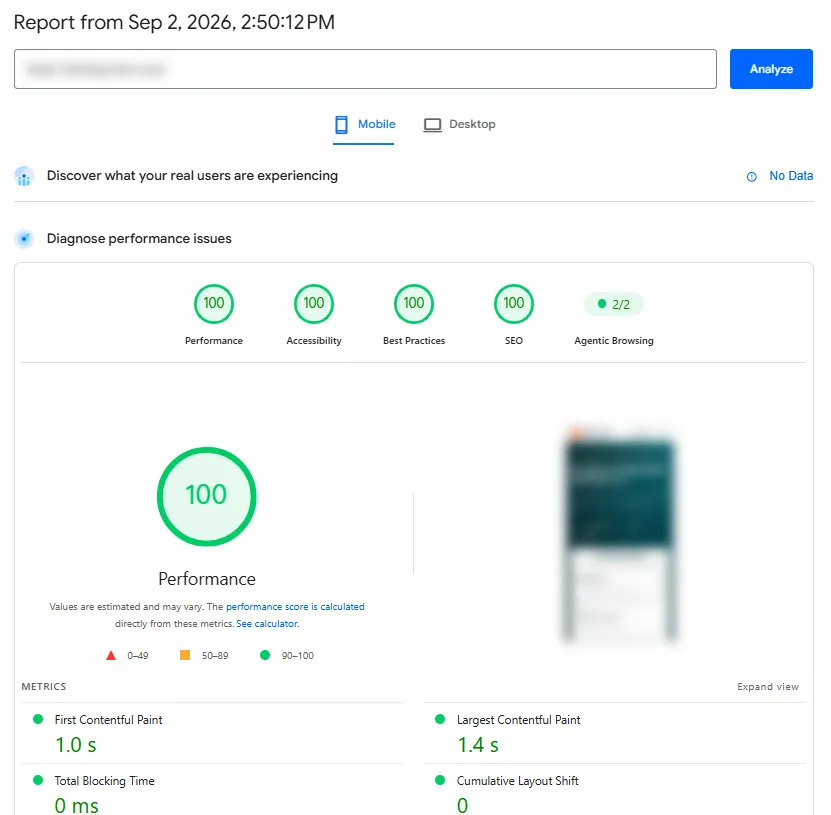
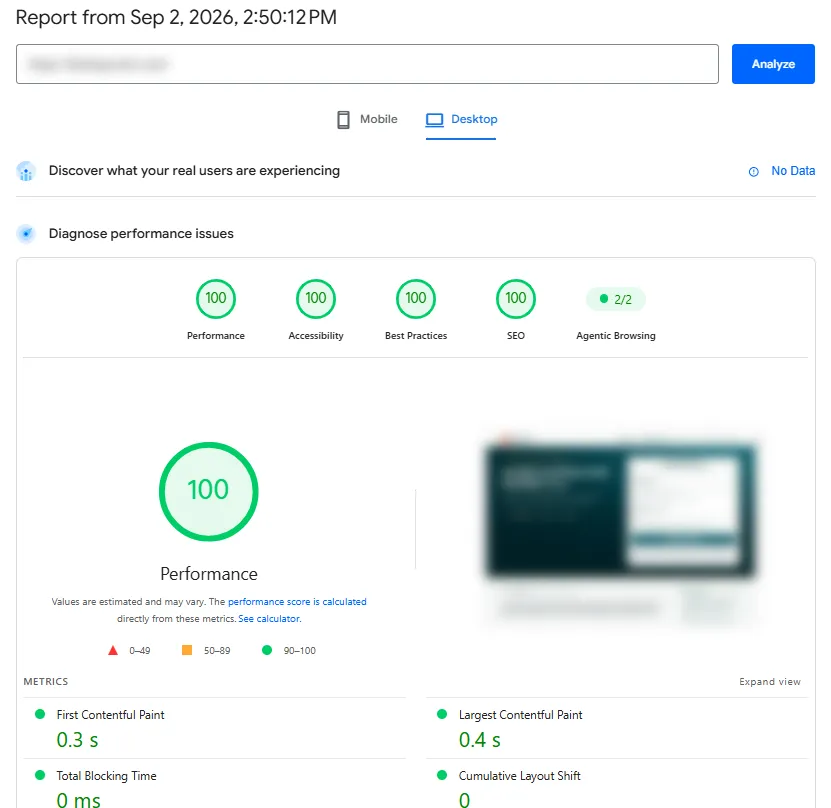
I work on both. One site went from nothing to 227,000 Google clicks in under nine months; two others hold a perfect 100 on PageSpeed, mobile and desktop. Bengali is where I am strongest, but a slow page and a thin page look the same in any language.

Average position over time
Dashboards, not adjectives
Every screenshot below comes from a site I have worked on. Client domains are blurred; nothing else has been touched. Click any image to open it full size.
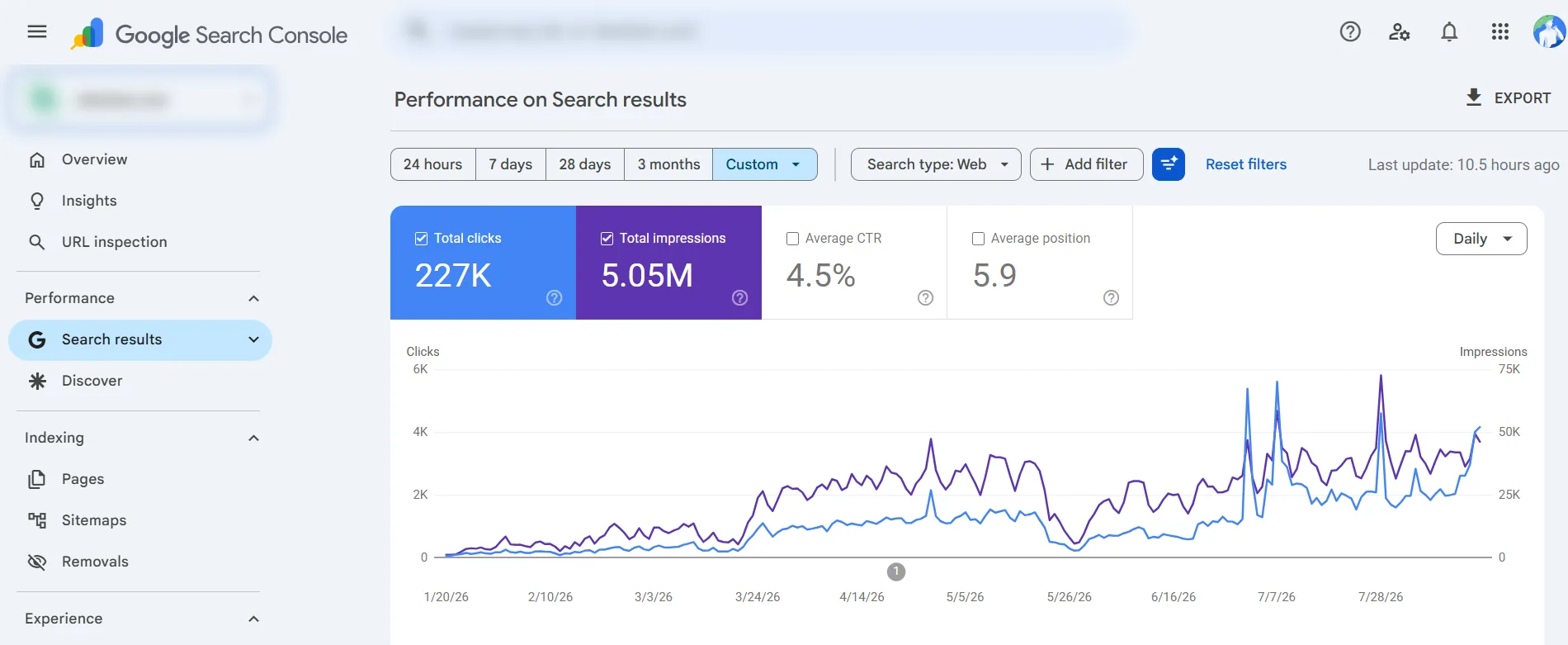
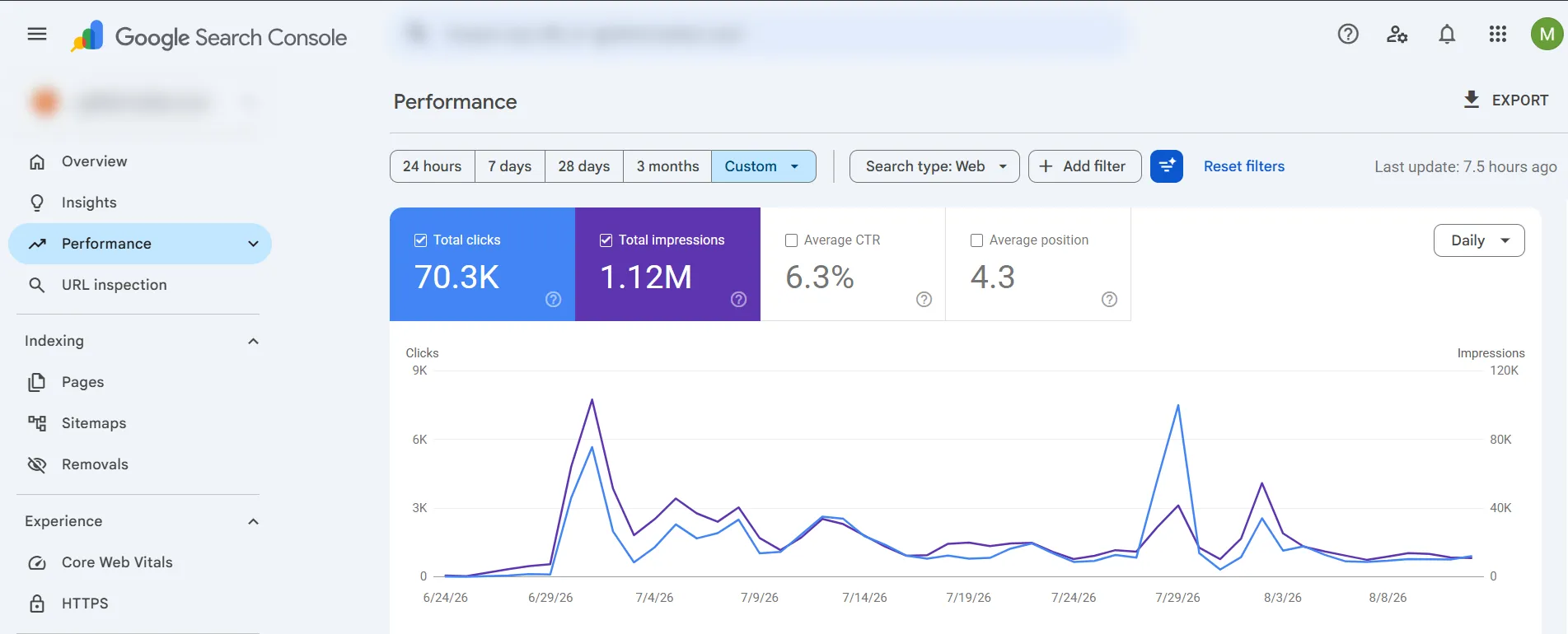
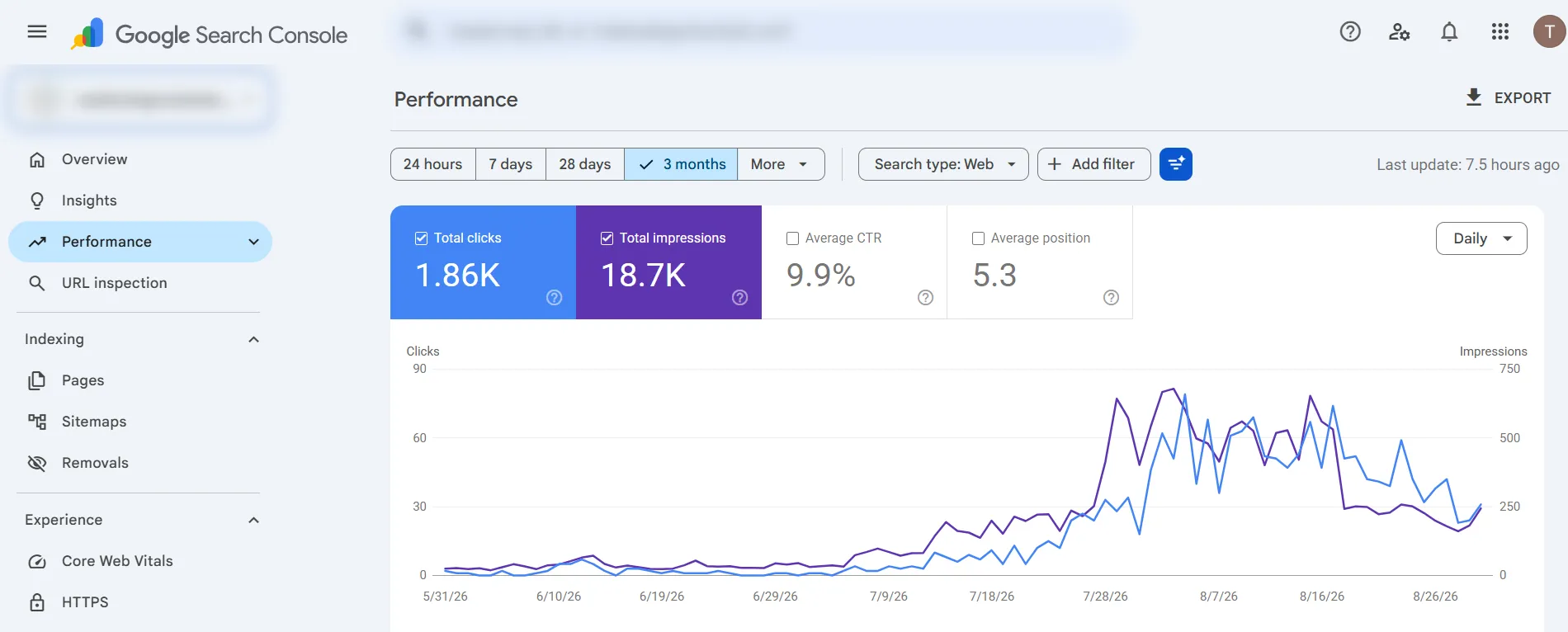
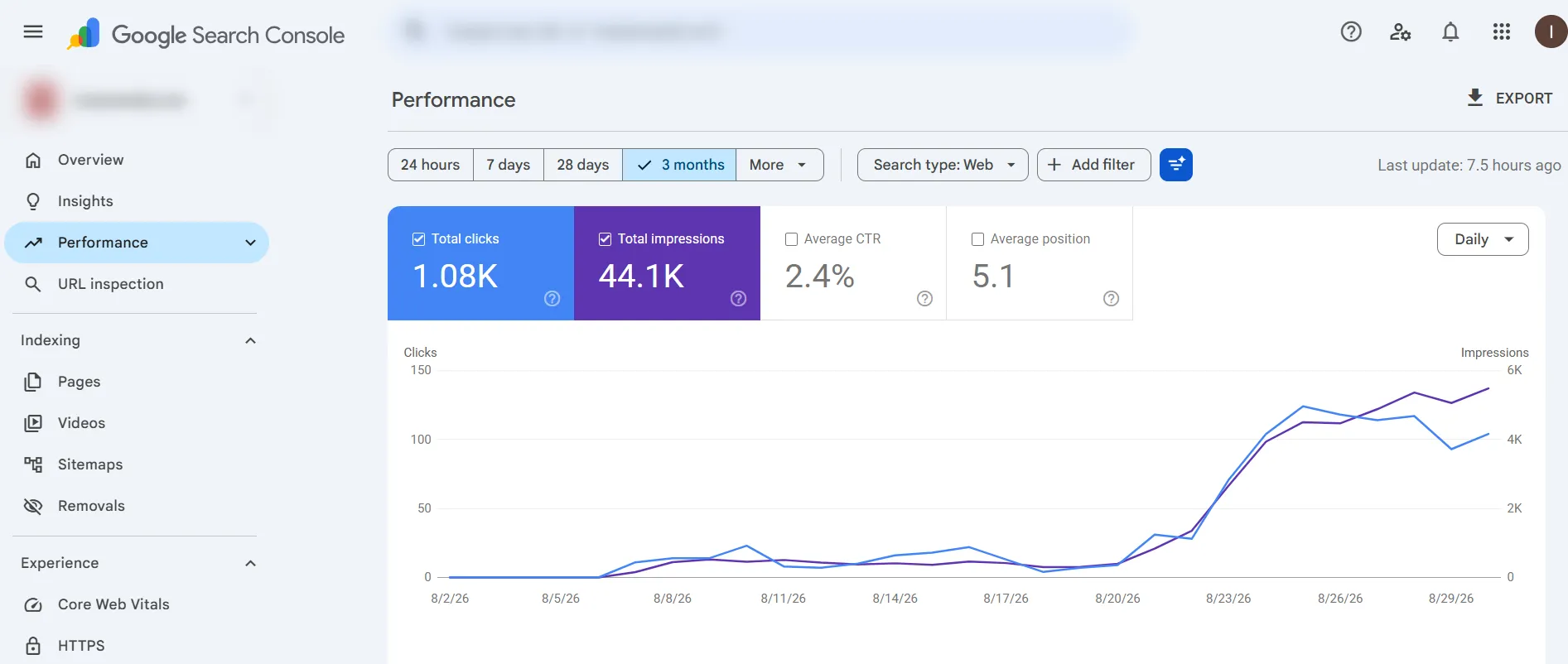
Milestones Google sent along the way
Search Console emails these when a site crosses a click threshold in a 28-day window. Two arrived on the same day, from two different sites.


Hire me for either half — or both
Plenty of clients come to me for speed alone, and that is a complete piece of work on its own. Tap any card for the detail.
SEO & content growth
Most sites that stall are not being punished by Google — they are simply not saying enough about anything in particular. I start from what the site already ranks for, find the gaps around it, and group keywords into clusters that can realistically be owned. Then the writing: pages that answer the query in the first paragraph rather than warming up for four hundred words. Internal links go in as the cluster fills out, so the strongest page passes authority to the ones still climbing.
What is included
- Search Console and competitor analysis to find what is winnable
- Keyword research grouped into topic clusters, not a flat spreadsheet
- Content briefs, or the finished articles if you want me writing
- On-page work: titles, headings, schema, internal linking
- Monthly reporting on what moved and what to do next
Page speed optimisation
Plenty of people come to me for this alone, and it is a complete job on its own. A high PageSpeed score is easy to fake and easy to lose; what matters is the Chrome User Experience Report — the field data from real visitors, which is what Google actually uses. So I work until that passes. Usually the culprits are the same few: render-blocking scripts, fonts loading the wrong way, images without dimensions causing layout shift, and a caching layer that is either missing or fighting itself.
What is included
- Full audit: lab scores, field data, and a waterfall of what is actually loading
- Caching and server-level configuration
- Image format, sizing, and lazy-loading strategy
- Font self-hosting and loading strategy to remove layout shift
- Script audit — removing, deferring, or replacing what is blocking render
- A follow-up check once the field data has refreshed
Bengali content writing
Bengali search behaves differently from English. People type differently, mix scripts, and often phrase a query as a full question. Content translated from English rarely matches any of that, which is why so much Bengali content on the web reads stiffly and converts poorly. I write directly in Bengali, with the search intent in mind from the first line.
What is included
- Original Bengali articles, not translations
- Keyword research done on Bengali queries, including transliterated variants
- Structure built around how the question is actually asked
- Editing and rewriting of existing Bengali content
WordPress
Getting the structure right at the start saves a painful migration later — permalinks, categories, multilingual directories, and a theme that is not carrying three hundred kilobytes of page builder. I set sites up so they stay fast as they grow, and keep them running afterwards.
What is included
- Site setup, hosting configuration, and migration
- URL structure and multilingual directories done once, properly
- Theme selection or a lightweight custom build
- Ongoing updates, backups, and security
Ad monetisation
Ads and page speed pull against each other, and most sites let the ads win until the traffic quietly leaves. There is a middle path: reserving space so nothing shifts, loading units lazily below the fold, and placing them where they earn without pushing the reader away. I have run AdSense and other networks across several sites and know which trade-offs are worth making.
What is included
- Network setup and approval preparation
- Placement strategy balanced against Core Web Vitals
- Reserved ad slots so nothing causes layout shift
- Ongoing review of revenue against speed and bounce
Content automation
Automation is good at the repetitive middle of the process — pulling a keyword from a list, drafting a structure, generating a featured image, scheduling the post. It is not good at judgement, and publishing unreviewed output is how sites get themselves in trouble. So I build pipelines that stop short of publishing: everything lands as a scheduled draft with a review window before it goes live.
What is included
- n8n workflow built around your keyword list and publishing rhythm
- WordPress REST API integration with application-password authentication
- Featured image generation and media upload
- Scheduled rather than immediate publishing, so nothing goes out unread
- Notifications with a direct edit link for review
Find the bottleneck before spending on it
A slow site and an unfindable site need opposite work. Knowing which one you have is the whole first step.
Audit
Search Console, PageSpeed field data, and the content itself. Usually one of the three is holding the other two back.
Plan
Keywords grouped into clusters rather than a flat list, so the site earns authority on a subject instead of scattering across a hundred.
Build
Content ships on a schedule while the technical work runs alongside it. Neither waits for the other.
Read the data
Four to eight weeks in, the numbers say which clusters are working. Those get expanded; the rest get rewritten or dropped.
Two ways to begin
Send me a URL and I will tell you which of these it needs. That part costs nothing.
Grow search traffic
Nobody is finding the site. We audit what exists, plan the clusters worth owning, and publish against them until the graph turns.
Make it fast
The traffic is there but the site drags. A focused pass on Core Web Vitals, images, fonts, and scripts, measured against real field data rather than a lab score.